Are Lab Created Engagement Rings Better? A 2026 Comparison of Natural vs Lab-Grown Diamonds
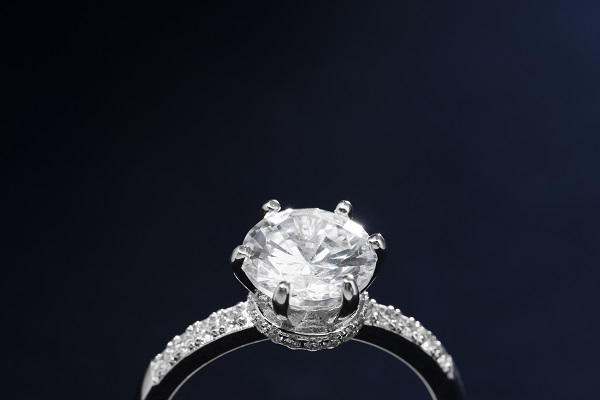
I remember the first time I really looked at an engagement ring. Not glanced. Looked. Late afternoon light coming through a jewelry store window, bouncing off the glass cases, making everything sparkle more than it probably should. I stood there longer than necessary. Thinking. Overthinking.
And now, in 2026, the big question keeps popping up again and again. Are lab-created engagement rings actually better than natural diamonds? Or does “better” even mean the same thing anymore?
Let’s talk it through. Slowly. Honestly. With a little messiness, because that’s how real decisions are made.
What Are Lab-Created vs. Natural Diamonds? Key Differences Explained
At first glance, lab-created and natural diamonds look identical. Same sparkle. Same fire. Same little gasp you make when the light hits just right.
Natural diamonds form deep inside the earth over billions of years. Pressure. Heat. Time is doing its thing. They’re mined, cut, polished, and eventually end up in rings, including heirloom styles like a vintage diamond cluster ring or an antique-style diamond cluster ring passed down through generations.
Lab Created Engagement Rings, They’re grown in controlled environments that replicate those natural conditions. Weeks instead of millennia. Science instead of geology. And yet, chemically and physically, they’re the same. Same carbon structure. Same hardness. Same brilliance.
I know. It feels strange. Like skipping a few chapters in a very long book. But the ending looks remarkably similar.
Cost Comparison: Lab-Grown Diamonds vs. Natural Diamonds in 2026
This is where people pause. Lean in. Whisper.
In 2026, lab-grown diamonds still cost noticeably less than natural diamonds. Sometimes 30 percent less. Sometimes more, depending on size and quality. That price difference can mean a larger center stone, or better clarity, or simply staying within a budget without that tight feeling in your chest.
I spoke to someone recently who chose a lab diamond and paired it with a 14k gold diamond cluster ring. Same vintage-inspired look. Same sparkle. Just… less financial stress. And that matters. It really does.
Natural diamonds, though, hold their price because of rarity and demand. There’s history baked into the cost. For some buyers, that history is worth every extra dollar.
Quality, Brilliance, and Durability: How Lab-Created and Natural Diamonds Stack Up
Here’s the part that surprises people. Lab-created diamonds are just as durable as natural ones. Same rating on the Mohs scale. Same resistance to scratching. Same everyday wear potential.
Brilliance? Also the same. When cut well, both types reflect light beautifully. No jeweler can tell the difference without specialized equipment. Not even that friend who claims she can “just tell.”
Whether it’s a vintage diamond ring in 14k gold or a modern solitaire, the sparkle comes down to cut quality, not origin.
I’ve seen lab diamonds set into antique-inspired designs that honestly made me stop mid-sentence. That pause. That tiny inhale. You know the one.
Ethical and Environmental Considerations When Choosing Your Diamond
This part gets personal. And a little emotional.
Natural diamond mining has improved over the years, but it still raises concerns for many buyers. Environmental impact. Labor practices. Land disruption. It’s a lot to think about when all you wanted was a beautiful ring.
Lab-created diamonds appeal to people who want fewer unknowns. Controlled environments. Lower carbon footprint. Clear sourcing. For many couples, that peace of mind feels good. Like, actually good.
That said, some natural diamond suppliers now focus on responsible mining and transparency. Choosing a natural stone doesn’t automatically mean compromising values. It just means asking better questions.
Which Engagement Ring Choice Is Right for You in 2026?
This is where I hesitate. Because there isn’t one right answer.
Some people want tradition. A story that stretches back through time. Something like a vintage diamond cluster ring that feels worn in, familiar, and grounding. Natural diamonds fit that narrative beautifully.
Others want flexibility. Value. Ethics. A chance to design something unique, maybe an antique-style diamond cluster ring with a lab-grown center stone and that old-world charm wrapped around modern choices.
In 2026, the best engagement ring is the one that feels right when you put it on. The one you keep staring at. The one you forget to take off.
FAQs
Q1. Are lab-created diamonds considered real diamonds?
Yes. They are chemically, physically, and optically the same as natural diamonds. The only difference is how they are formed.
Q2. Do lab-grown diamonds lose value over time?
They can depreciate more than natural diamonds, but most people don’t buy engagement rings as investments. They buy them for meaning, memory, and love.
Q3. Can I use lab diamonds in vintage or antique-style rings?
Absolutely. Lab diamonds are often set into vintage engagement rings, including 14k gold diamond cluster ring styles, with stunning results.
So. Are lab-created engagement rings better?
Maybe. Or maybe they’re just different. And different isn’t bad. Sometimes it’s exactly what you need.
